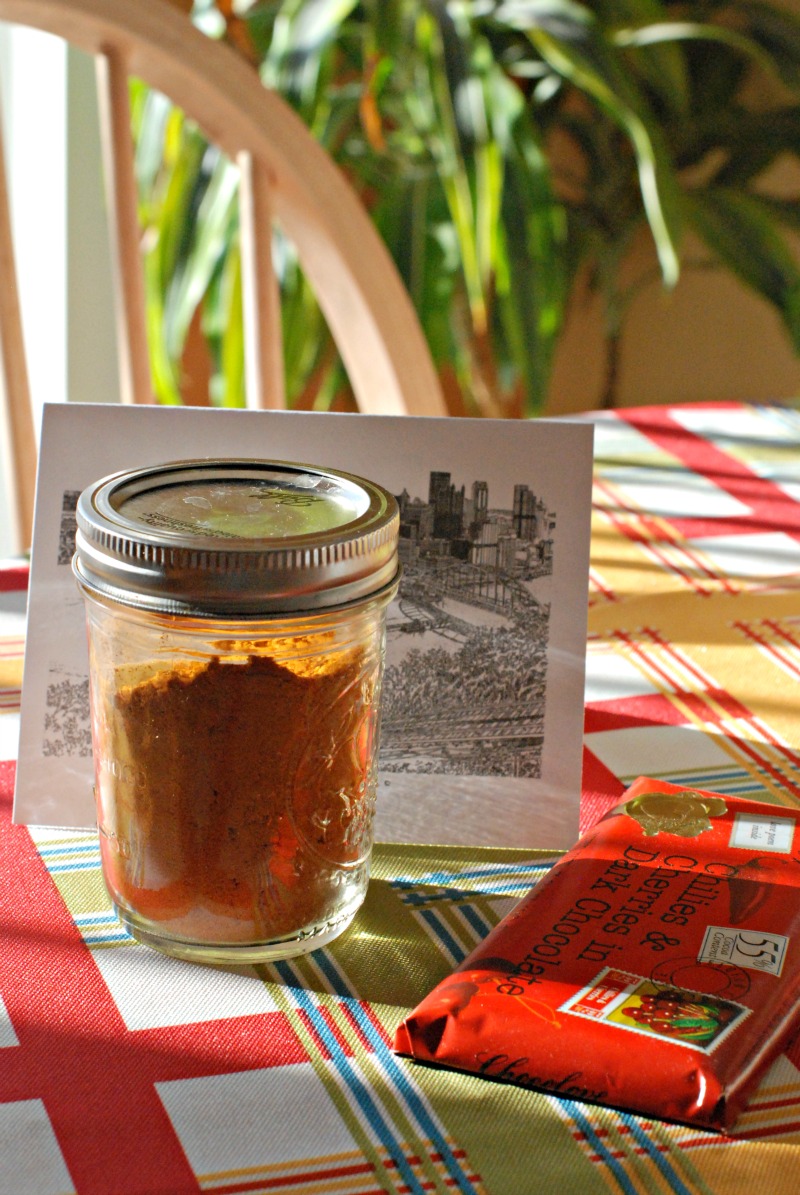
I've read a half dozen very interesting books in recent weeks. I'm sure you're dying to hear about them ;) and even if you're not, here goes...
Understanding Comics: The Invisible Art by Scott McCloud (Non-fiction, graphic). This book was recommended by two people- Gretchen of The Happiness Project included it in her book club picks and Radhika recommended it in a comment. And so I was intrigued enough to pick up the book. V did a double take when he spotted me reading it: "You're reading comics??!" Because he knows I'm not particularly keen on the genre. On the other hand, he can spend hours guffawing over Calvin and Hobbes. I did read my fair share of Archie comics as a child, and Indian comics such as Tinkle (I know! Unfortunate name!) and Amar Chitra Katha. There was a Marathi comic that was my favorite- about a little boy named Chintu. I have very fond memories of reading Sunday comic pages with my maternal grandfather- I remember his distinctive chuckle as he read Beetle Bailey and Dennis The Menace and Garfield to me.
I haven't really read comics in a couple of decades though, but can I just say that I loved Understanding Comics? It is a brilliant book in which McCloud explores comics as an art form, using the medium of (what-else-but) comics. What a cool book- I highly recommend it. Also, please tell me about the graphic novels and comics you love. No superheroes, though, I'm not there yet.
And what do you know- the very next book I'm talking about is a graphic novel: Aya by Marguerite Abouet and Clement Oubrerie. This one was recommended by Niranjana- I read her eloquent review and knew I had to find the book. And it was indeed a fun and quick read. The story is set in the Ivory Coast in 1978 and the illustrations transported me right into a working class neighborhood in Yop City and into a colorful teenage drama about a girl named Aya and her friends, flavored with regional slang and replete with sticky situations. Apart from the story itself, the book was my first introduction to the culture and history of Cote d'Ivoire and a gentle reminder that socioeconomic differences notwithstanding, the human spirit (and teenage drama) will always prevail.
The Language of Flowers by Vanessa Diffenbaugh (debut fiction, drama). Victoria is a young adult with a troubled past who has lived her entire life in the foster care system. The story weaves between her past and her present efforts to build a life for herself. I liked two things about the book: it focuses attention on the lives of foster children, a group that seems to be largely ignored and forgotten (the author has started a foundation to help foster children build their lives). And the central theme of the book is Victoria's special talent for the Victorian language of flowers (the Victorian era tradition of assigning romantic meanings to flowers). Some of these meanings of flowers are popular even now- such as red roses for love, but the whole list is fascinating and I enjoyed that aspect of the story. Other than that, I found the narrative to be quite uneven and many things in the story were implausible and unexplained, I felt. So this was a strictly OK read for me.
Gone Girl by Gillian Flynn (fiction, thriller). This book made it to many book lists last year and I had to wait in line for a full 6 months at the library to get my hands on a copy. The story was engaging enough,and with enough twists and turns that I raced through the book in a weekend, even sneaking in some reading time while dinner almost burnt on the stove because I wanted to know what happened next. But that's about the only good thing I can say about Gone Girl. This book left me with a very sick feeling. The characters were toxic and the ending most unsatisfying. I came away shaking my head and thinking- wow, there's no justice in this world. For a hard-hitting psychological thriller, I much prefer the work of Tana French, say, because I end up caring about the characters she creates.
Quiet: The power of introverts in a world that can't stop talking by Susan Cain (non-fiction). Cain explores how current society, especially in the US, relentlessly idolizes extroverts (They network! They engage! They dazzle!), and this book is a manifesto in favor of introverts. On a personal level, this book naturally makes you ask yourself whether you are an extrovert or an introvert (or an ambivert- which is equal parts of both. No, I did not make this word up). In my case, growing up, I was labeled an absolute bookworm and an introvert. These days, my friends are likely to say something like "Nupur is totally a people person. She makes friends so easily. She can chat anyone up."
You can take a shorter form of the book's quiz here. The truth in my case, as with most people, lies somewhere in between. I clearly tilt on the introvert side of things from the quiz results: Prefer one on one conversations? Check. Express myself better in writing than speaking? Absolutely. Feel drained after social occasions and need solitude to recharge my batteries? OH YES. But when I am passionate about something, I seem to channel it into extroversion- relating with people and making friends quickly based on common interests. Certain parts of the book were thought-provoking, but there were other things that sounded like stereotyping and psycho-babble. Overall, a worthwhile read. If nothing else, it reminded me not to label myself or other people as "introverts" or "extroverts" but to recognize that most people can be one or the other based on the situation, and that both qualities bring something to the table.
Your turn: What are you reading these days? I'm linking to the It's Monday meme on Book Journey.
Before I leave, I have a mini recipe to share. OK, it is a stretch to call it a recipe- let's call it an idea. I got this darling salt and pepper shaker as a gift (thanks, Ashwini!).

The salt went in one shaker, naturally, but I don't like putting ground pepper in the other shaker- preferring to use a pepper grinder instead. Madhur Jaffrey had a nice idea in her book World Vegetarian; I remembered it vaguely and looked it up on my bookshelf. She calls it "An Indian Salt Mixture" or some such. Very simple- toast cumin and coriander seeds and peppercorns gently. Cool, grind to a coarse powder and mix with salt. Fill this spice-salt mixture into a shaker and use at the table to perk up just about any food that could use more flavor. Now the second shaker is full and I love sprinkling this masala salt on fried eggs and sandwiches and so many other things. I wanted to share this idea for anyone else who has a empty pepper shaker sitting around.
On a final note, you know what this post needs? Some vegetables. This was a gift I put together for Lila's friend's second birthday last weekend. My friend Cathy sent a book to Lila as a gift some months ago- Eating the Alphabet by Lois Ehlert. The darling illustrations made me fall in love with fruits and veg all over again. So I bought a couple more copies to give as gifts to other kids.
For this gift, I crocheted a few items- onion, eggplant, carrot, apple and pepper and packaged the book and veggies in a basket. Hopefully the little birthday boy will spend some happy hours playing with these.

 |
| Image: Goodreads |
I haven't really read comics in a couple of decades though, but can I just say that I loved Understanding Comics? It is a brilliant book in which McCloud explores comics as an art form, using the medium of (what-else-but) comics. What a cool book- I highly recommend it. Also, please tell me about the graphic novels and comics you love. No superheroes, though, I'm not there yet.
 |
| Image: Goodreads |
 |
| Image: Goodreads |
The Language of Flowers by Vanessa Diffenbaugh (debut fiction, drama). Victoria is a young adult with a troubled past who has lived her entire life in the foster care system. The story weaves between her past and her present efforts to build a life for herself. I liked two things about the book: it focuses attention on the lives of foster children, a group that seems to be largely ignored and forgotten (the author has started a foundation to help foster children build their lives). And the central theme of the book is Victoria's special talent for the Victorian language of flowers (the Victorian era tradition of assigning romantic meanings to flowers). Some of these meanings of flowers are popular even now- such as red roses for love, but the whole list is fascinating and I enjoyed that aspect of the story. Other than that, I found the narrative to be quite uneven and many things in the story were implausible and unexplained, I felt. So this was a strictly OK read for me.
 |
| Image: Goodreads |
 |
| Image: Goodreads |
Quiet: The power of introverts in a world that can't stop talking by Susan Cain (non-fiction). Cain explores how current society, especially in the US, relentlessly idolizes extroverts (They network! They engage! They dazzle!), and this book is a manifesto in favor of introverts. On a personal level, this book naturally makes you ask yourself whether you are an extrovert or an introvert (or an ambivert- which is equal parts of both. No, I did not make this word up). In my case, growing up, I was labeled an absolute bookworm and an introvert. These days, my friends are likely to say something like "Nupur is totally a people person. She makes friends so easily. She can chat anyone up."
You can take a shorter form of the book's quiz here. The truth in my case, as with most people, lies somewhere in between. I clearly tilt on the introvert side of things from the quiz results: Prefer one on one conversations? Check. Express myself better in writing than speaking? Absolutely. Feel drained after social occasions and need solitude to recharge my batteries? OH YES. But when I am passionate about something, I seem to channel it into extroversion- relating with people and making friends quickly based on common interests. Certain parts of the book were thought-provoking, but there were other things that sounded like stereotyping and psycho-babble. Overall, a worthwhile read. If nothing else, it reminded me not to label myself or other people as "introverts" or "extroverts" but to recognize that most people can be one or the other based on the situation, and that both qualities bring something to the table.
Your turn: What are you reading these days? I'm linking to the It's Monday meme on Book Journey.
Before I leave, I have a mini recipe to share. OK, it is a stretch to call it a recipe- let's call it an idea. I got this darling salt and pepper shaker as a gift (thanks, Ashwini!).

The salt went in one shaker, naturally, but I don't like putting ground pepper in the other shaker- preferring to use a pepper grinder instead. Madhur Jaffrey had a nice idea in her book World Vegetarian; I remembered it vaguely and looked it up on my bookshelf. She calls it "An Indian Salt Mixture" or some such. Very simple- toast cumin and coriander seeds and peppercorns gently. Cool, grind to a coarse powder and mix with salt. Fill this spice-salt mixture into a shaker and use at the table to perk up just about any food that could use more flavor. Now the second shaker is full and I love sprinkling this masala salt on fried eggs and sandwiches and so many other things. I wanted to share this idea for anyone else who has a empty pepper shaker sitting around.
On a final note, you know what this post needs? Some vegetables. This was a gift I put together for Lila's friend's second birthday last weekend. My friend Cathy sent a book to Lila as a gift some months ago- Eating the Alphabet by Lois Ehlert. The darling illustrations made me fall in love with fruits and veg all over again. So I bought a couple more copies to give as gifts to other kids.
For this gift, I crocheted a few items- onion, eggplant, carrot, apple and pepper and packaged the book and veggies in a basket. Hopefully the little birthday boy will spend some happy hours playing with these.




.JPG)
.JPG)